
Article 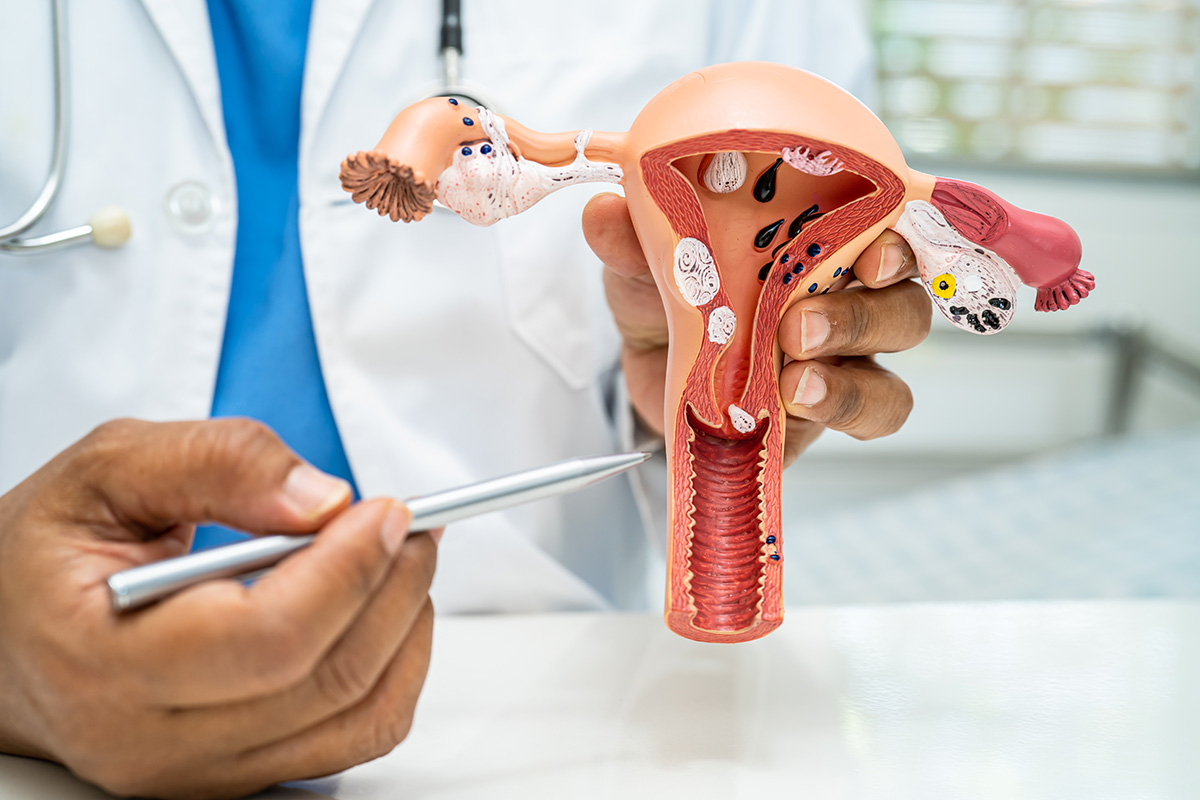


Simple Steps to Protect Yourself From Cervical Cancer
Cervical cancer is one of the most preventable cancers, yet it still affects thousands of women each year. The key to prevention is understanding cervical cancer, staying up to date with routine screenings, and knowing how to reduce your risk.
Dr. Scott Dinesen, medical director of women’s health at Essen Health Care, emphasizes that regular screenings and visits with a provider are critical to protecting your cervical health. When changes are found early, treatment can begin before cancer develops.
Insights on Cervical Cancer
Cervical cancer begins in the cervix, which is the lower part of the uterus. In most cases, cervical cancer develops slowly over time and is caused by certain high-risk types of the human papillomavirus (HPV).
HPV is very common, and many people are exposed to it at some point in their lives. While the body often clears the virus on its own, some types of HPV can cause abnormal changes in cervical cells. Without screening, these changes may go unnoticed and can eventually lead to cancer.
What is Cervical Cancer Screening?
Cervical cancer screening helps detect abnormal cervical cells or HPV before cancer develops. Screening is recommended even if you feel healthy, as early cervical changes often do not cause symptoms.
There are two main screening tests:
- Pap test (Pap smear): Looks for abnormal or precancerous cells on the cervix.
- HPV test: Detects high-risk types of HPV linked to cervical cancer.
Most women should begin screening at age 21 and continue through age 65. Your provider will recommend how often you should be screened based on your age and medical history.
The Importance of Getting Screened
Regular cervical cancer screening can prevent cancer or detect it early, when treatment is most effective. Because cervical cancer often develops slowly and without symptoms, screening is one of the most powerful tools for protecting long-term health.
According to Dr. Dinesen, screening allows providers to identify abnormal cell changes before they become cancerous. When these changes are identified early, they can often be monitored or treated with simple, minimally invasive care, helping patients avoid more complex treatments later on.
Screening helps:
- Identify precancerous cell changes early
- Detect cervical cancer at an early, more treatable stage
- Reduce the need for more invasive treatment
- Protect long-term reproductive and overall health
Early detection not only improves outcomes but also gives patients peace of mind and more care options. Staying on schedule with recommended screenings is an essential part of preventive women’s health.
Signs and Symptoms of Cervical Cancer
Dr. Dinesen wants every woman to know that early cervical cancer often has no symptoms, which is why regular screening is so important.
However, when symptoms do appear, they may include:
This may include bleeding between periods, after menopause, or bleeding that is heavier or lasts longer than usual.
Spotting or bleeding after sex can be a sign of cervical irritation or abnormal cell changes and should be evaluated by a provider.
Ongoing pain or discomfort in the lower abdomen or pelvis, especially if it occurs outside of your menstrual cycle, may be a cause for concern.
Persistent discharge that has a strong odor, or appears watery, pink, or blood-tinged should be checked by a healthcare provider.
If you notice any of these symptoms, it’s essential to talk to your provider even if you are up to date on cervical cancer screening.
How to Help Prevent Cervical Cancer
Dr. Dinesen emphasizes that cervical cancer prevention begins with routine care and everyday health choices. There are several steps women can take to reduce their risk and support long-term wellness.
Cervical cancer screening allows providers to find abnormal cell changes early. Following your provider’s recommended screening schedule is one of the most effective ways to prevent cervical cancer or catch it early.
The HPV vaccine protects against the most common high-risk types of HPV that cause cervical cancer. It is recommended for children, teens, and young adults, but some adults may also benefit. Your provider can help determine if vaccination is right for you.
Using protection and limiting exposure to HPV can lower your risk. While HPV is common, reducing exposure helps protect cervical health over time.
Smoking weakens the immune system and makes it harder for the body to clear HPV infections. Women who smoke are at a higher risk of developing cervical cancer compared to non-smokers.
Prevention works best when regular screening is combined with healthy lifestyle choices. Together, these steps offer strong protection against cervical cancer and support overall women’s health.
Taking Charge of Your Cervical Health
Cervical cancer is highly preventable with routine screening and early detection. Staying informed and keeping up with recommended screenings can make a life-saving difference.
Dr. Dinesen and the women’s health team at Essen Health Care are here to support patients with compassionate, comprehensive care at every stage of life. If you are due for a screening or have questions about cervical cancer prevention, we encourage you to speak with a provider.
Because when it comes to your health, early care matters.
Schedule a screening today:About Scott Dinesen DO, MBA, FACOG, L Ac
With over 34 years of dedication to women’s health, Dr. Scott Dinesen has delivered more than 16,000 babies, performed over 10,000 surgeries, and helped countless families realize their dreams. As the Medical Director of Women’s Services—encompassing Obstetrics, Gynecology, Infertility, and Breast Surgery—he brings experience, compassion, and unwavering commitment to every patient he serves. Dr. Dinesen believes that every woman’s journey deserves expert care, heartfelt support, and the hope of a healthier tomorrow.
