Article 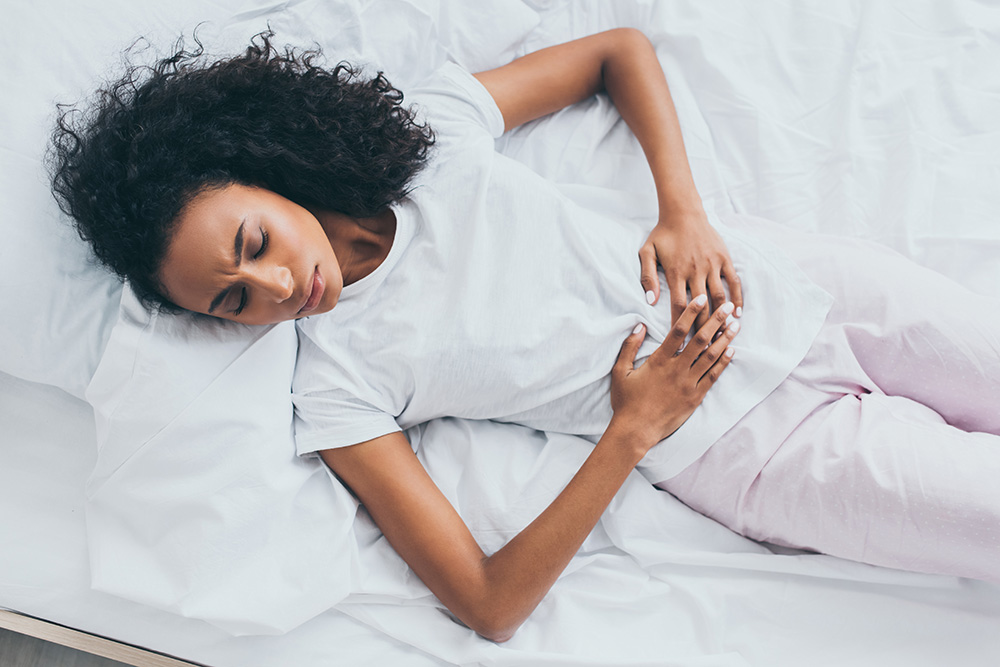
Understanding Endometriosis: Symptoms, Diagnosis, and Treatment
Endometriosis affects an estimated 1 in 10 women of reproductive age, yet awareness remains limited. For many patients, symptoms are often misunderstood or dismissed as “normal period pain,” leading to years of discomfort before receiving proper care.
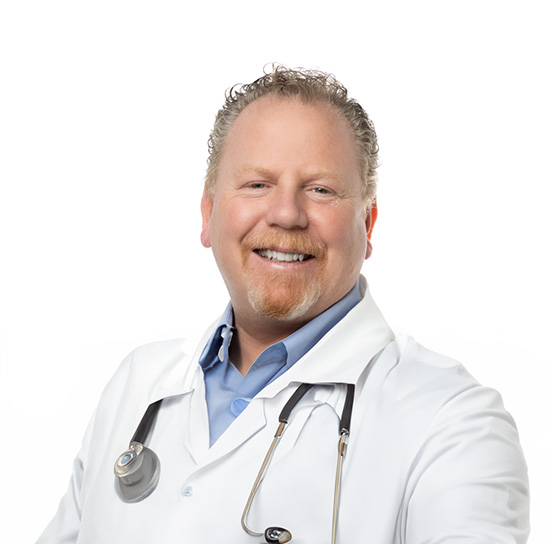
Dr. Scott Dinesen, Medical Director of Women’s Health at Essen Health Care, has extensive experience helping women understand and manage conditions that affect their reproductive health. He works closely with patients to identify symptoms early and develop treatment plans that improve quality of life.
In this article, Dr. Dinesen shares important information about endometriosis, including common symptoms, diagnosis, and treatment options to help women manage it.
What Is Endometriosis?
Endometriosis occurs when tissue similar to the lining of the uterus grows outside of the uterus. This tissue can develop in areas such as the ovaries, fallopian tubes, and the pelvic lining.
During the menstrual cycle, this tissue behaves similarly to the uterine lining. However, because the tissue is located outside the uterus, the blood and inflammation cannot exit the body normally. Over time, this can lead to pain, inflammation, scar tissue, and adhesions.
According to Dr. Dinesen, endometriosis can affect women differently. Some patients experience severe symptoms that interfere with daily life, while others may have mild or no symptoms.
Common Symptoms of Endometriosis
Endometriosis symptoms can vary widely, which is one reason the condition can be difficult to diagnose. However, there are several common signs women should be aware of.
Symptoms may include:
- Severe menstrual cramps that worsen over time
- Chronic pelvic pain, even outside of the menstrual cycle
- Pain during or after intercourse
- Heavy or irregular menstrual periods
- Digestive symptoms, such as bloating, nausea, constipation, or diarrhea
- Fatigue or low energy levels
- Difficulty becoming pregnant
One important message Dr. Dinesen shares with patients is that severe pain during menstruation is not something women should feel obligated to live with. When pain disrupts daily activities, work, or school, it may be a sign of an underlying condition such as endometriosis.
Why Endometriosis Is Often Misdiagnosed
Despite affecting millions of women, endometriosis can take years to diagnose. Studies suggest that many women experience symptoms for 7 to 10 years before receiving a diagnosis.
According to Dr. Dinesen, this delay can occur because the symptoms of endometriosis often overlap with other conditions, including:
- Irritable bowel syndrome (IBS)
- Pelvic inflammatory disease
- Ovarian cysts
- Other menstrual or pelvic disorders
In addition, many women are told that painful periods are normal, which can delay seeking medical care.
Raising awareness about the symptoms of endometriosis is an important step in helping women recognize when to speak with their healthcare provider.
How Endometriosis Is Diagnosed
Diagnosing endometriosis often begins with a thoughtful conversation about your symptoms, medical history, and how your pain or discomfort may be affecting your daily life. Because every patient’s experience is different, taking the time to listen and understand those symptoms is an important first step.
Dr. Dinesen explains that providers may use several tests and procedures to help determine whether endometriosis may be present. These may include:
- A pelvic exam to check for areas of tenderness or abnormalities.
- Imaging tests, such as an ultrasound or MRI, which can help providers better understand what may be happening inside the pelvic area.
- Minimally invasive surgery called laparoscopy, which allows doctors to look directly inside the pelvis and confirm a diagnosis when necessary.
Dr. Dinesen emphasizes that not every patient will need surgery to begin addressing their symptoms. These evaluations help providers gain a clearer picture of what a patient may be experiencing and develop a care plan that is thoughtful, personalized, and focused on improving quality of life.
Treatment Options for Endometriosis
Although there is currently no cure for endometriosis, many treatment options are available to help manage symptoms and improve quality of life.
Dr. Dinesen works with patients to develop individualized treatment plans based on their symptoms, medical history, and personal goals.
Treatment options may include:
To reduce inflammation and discomfort.
Will help regulate menstrual cycles and reduce endometrial tissue growth.
In certain cases, removal of the endometrial tissue may be necessary.
When endometriosis affects the ability to become pregnant.
Can range from stress management, exercise, and nutritional guidance.
With proper care, many women can successfully manage symptoms and continue to live active, healthy lives.
When to Talk to Your Provider
Dr. Dinesen encourages women to speak with their healthcare provider if they experience symptoms that interfere with their daily lives.
You may want to schedule a visit if you experience:
- Severe menstrual pain that disrupts work, school, or daily activities
- Pelvic pain that occurs outside of your menstrual cycle
- Pain during intercourse
- Heavy or irregular menstrual bleeding
- Difficulty becoming pregnant
Early evaluation can help identify the cause of symptoms and provide access to appropriate care sooner.
You Are Not Alone
Living with endometriosis can be challenging, but it is important for women to know they are not alone. With increased awareness, early diagnosis, and supportive medical care, many patients can find relief and improve their quality of life.
Dr. Dinesen and the Women’s Health team at Essen Health Care are committed to providing compassionate, comprehensive care for women at every stage of life—from preventive care and diagnosis to treatment and ongoing support.
Schedule a Women’s Health Visit
If you are experiencing symptoms of endometriosis or have concerns about your reproductive health, the Women’s Health specialists at Essen Health Care are here to help.
Our team provides comprehensive gynecological care across the Bronx, helping women understand their symptoms, receive accurate diagnoses, and explore treatment options that support their health and well-being.
Because when it comes to women’s health, listening to your body is the first step toward feeling better.
About Scott Dinesen DO, MBA, FACOG, L Ac
With over 34 years of dedication to women’s health, Dr. Scott Dinesen has delivered more than 16,000 babies, performed over 10,000 surgeries, and helped countless families realize their dreams. As the Medical Director of Women’s Services—encompassing Obstetrics, Gynecology, Infertility, and Breast Surgery—he brings experience, compassion, and unwavering commitment to every patient he serves. Dr. Dinesen believes that every woman’s journey deserves expert care, heartfelt support, and the hope of a healthier tomorrow.
