
Article 
Men’s Health by the Decade: What to Watch for in Your 20s, 30s, and Beyond
As men age, their health needs change. The habits, screenings, and health concerns that matter in your 20s may look very different from those in your 40s, 50s, or beyond. Understanding what to prioritize at each stage of life can help prevent disease, support overall well-being, and improve long-term health outcomes.
In this article, Ankit Shah, MS, APRN, FNP-C, Primary Care at Essen Health Care, walks us through the key health priorities men should be aware of in every decade of life- from building healthy habits in your 20s to maintaining health as you age.
In Your 20s: Building the Foundation for Lifelong Health
The 20s are often a period of relatively good health, which can sometimes lead to a lower focus on preventive care. However, NP Shah emphasizes that this decade is critical for establishing long-term habits and baseline health measurements.
Key priorities in the 20s:- Establishing care with a primary care provider
- Annual wellness visits
- Blood pressure screening
- Healthy weight maintenance
- Regular physical activity
- Mental health awareness and stress management
- Avoidance of tobacco and substance misuse
- Staying current with vaccinations
NP Shah notes that lifestyle patterns established during early adulthood often carry forward into later decades, making this a key time for prevention and behavior change.
In Your 30s: Managing Stress and Emerging Risk Factors
In the 30s, many men experience increasing responsibilities related to career, family, and finances. These demands can contribute to stress, disrupted sleep, and lifestyle changes that may begin to impact long-term health.
Key priorities in the 30s:- Routine blood pressure monitoring
- Cholesterol screening
- Diabetes risk assessment
- Weight and metabolic health monitoring
- Sleep quality evaluation
- Mental health screening and stress management
Common concerns in this decade include weight gain, elevated cholesterol, and chronic stress.
In Your 40s: The Turning Point for Preventive Care
The 40s are often considered a pivotal decade in men’s health. During this time, the likelihood of developing chronic conditions such as hypertension, diabetes, and heart disease increases.
NP Shah highlights that many men begin to notice changes in energy levels, metabolism, and recovery, but may dismiss these signs as normal aging rather than potential indicators of underlying conditions.
Key priorities in the 40s:- Regular blood pressure and cholesterol checks
- Diabetes screening
- Cardiovascular risk assessment
- Weight and lifestyle management
- Sleep apnea evaluation when indicated
- Colorectal Cancer Screening
- Mental health support
- Persistent fatigue
- Shortness of breath
- Chest discomfort or pressure
- Frequent headaches
- Poor sleep or loud snoring
- Unexplained weight changes
NP Shah emphasizes that early evaluation of these symptoms can lead to timely diagnosis and more effective management of underlying conditions.
In Your 50s: Prioritizing Screenings and Early Detection
By the 50s, preventive screenings become an essential part of routine care. This decade is often focused on early detection of chronic diseases and cancer screening, where appropriate.
Key priorities in the 50s:- Prostate cancer screening
- Ongoing diabetes screening
- Cardiovascular health monitoring
- Lung cancer screening (for smokers)
- Vision and hearing evaluations
- Medication and risk factor review
Preventive screenings play a critical role in identifying health concerns before symptoms develop. NP Shah emphasizes that early detection often leads to better treatment outcomes and more options for care.
In Your 60s and Beyond: Supporting Healthy Aging
In later decades of life, the focus of care often shifts toward maintaining independence, managing chronic conditions, and preserving quality of life.
According to NP Shah, healthy aging is not defined solely by the absence of disease, but by the ability to remain active, engaged, and functional.
Key priorities in the 60s and beyond:- Chronic disease management (e.g., hypertension, diabetes)
- Fall prevention and mobility support
- Cognitive health monitoring
- Regular vision and hearing care
- Vaccinations and preventive immunizations
- Mental and emotional well-being
- Maintaining social connection and physical activity
Men’s health is not defined by a single moment in time, but by a continuous approach to prevention, awareness, and care across the lifespan. Each decade brings new priorities, yet the importance of regular checkups, healthy habits, and early intervention remains constant.
Preventive care is one of the most effective tools for protecting long-term health. Establishing care early, staying informed, and addressing health concerns proactively can significantly improve outcomes at every stage of life.
At Essen Health Care, we are here to support you at every step of your health journey. If it’s been a while since your last checkup, now is a great time to take a proactive step toward your well-being. Schedule an appointment with a primary care provider today to stay up to date with screenings, address concerns early, and prioritize your long-term health.
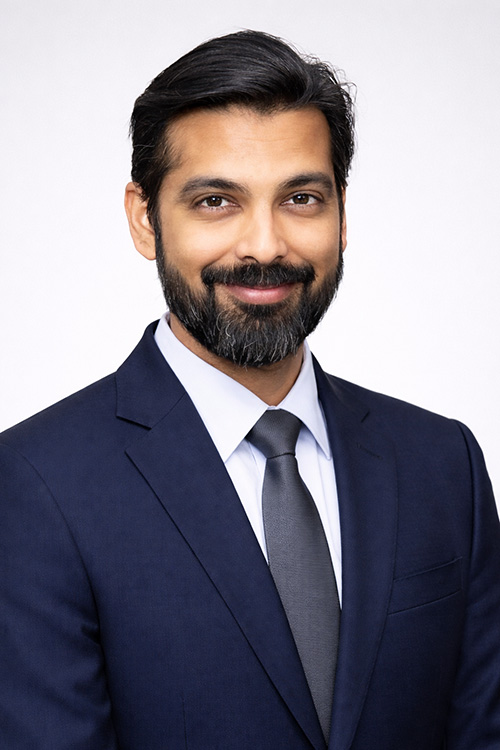
About Ankit Shah, MS, APRN, FNP-C
Ankit Shah, MS, APRN, FNP-C, is a Board-Certified Family Nurse Practitioner and Medical Director of the Primary Care Division at Essen Health Care. He earned both his Bachelor of Science in Nursing and a Master of Science in Nursing as a Family Nurse Practitioner from the Lehman College School of Nursing in the Bronx, New York. Prior to pursuing advanced nursing practice, he completed his medical education in India as a Physician and obtained his Bachelor of Medicine and Bachelor of Surgery (MBBS) from Government Medical College, providing him with a unique foundation that bridges both physician and advanced practice nursing perspectives.
As Medical Director, Mr. Shah provides clinical and operational leadership for a large network of primary care providers, driving initiatives focused on quality improvement, preventive care, population health, and evidence-based practice. A strong advocate for patient education and preventive medicine, Mr. Shah is committed to guiding Primary Care Practitioners with better patient care and empowering individuals to take charge of their health while helping shape innovative care models that improve the health and well-being of the communities they serve.
