Article 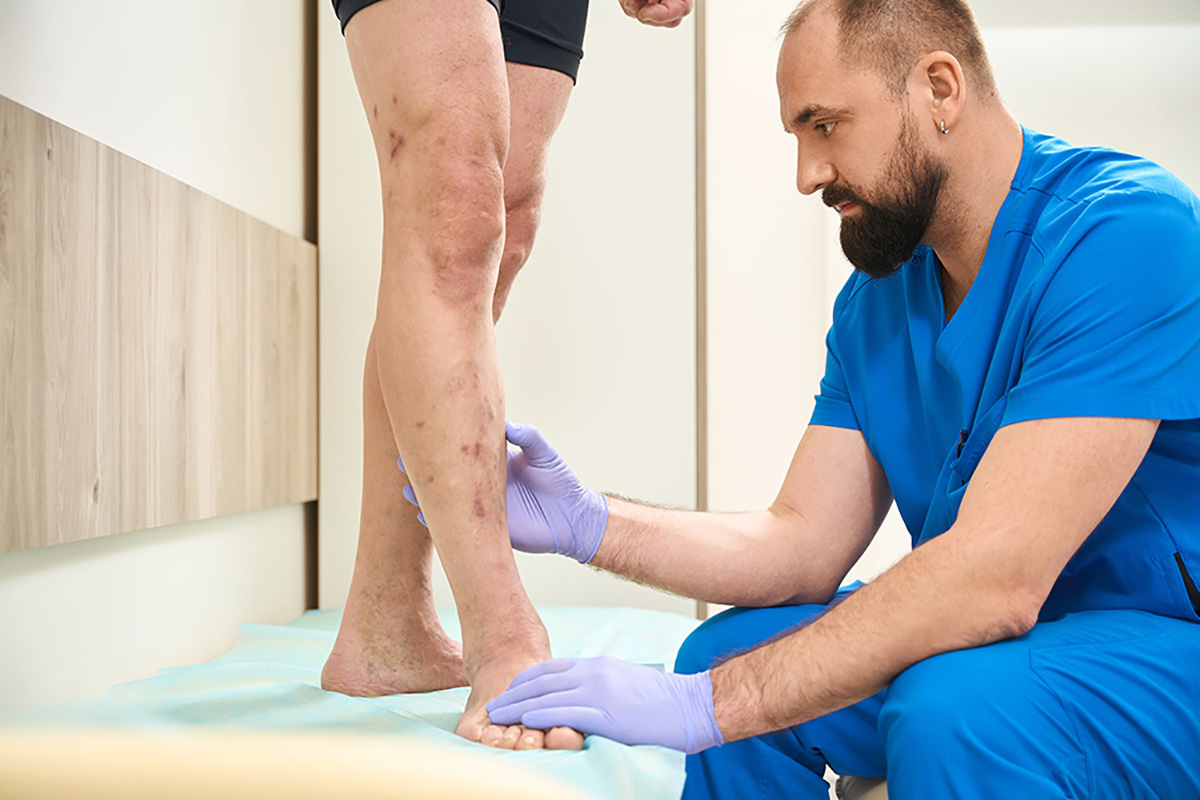

Your Legs Are Trying to Tell You Something: 7 Vascular Symptoms You Shouldn’t Ignore
From leg pain and swelling to skin changes and slow-healing wounds, knowing the warning signs can help you recognize when it’s time to seek care.
Leg pain, swelling, numbness, or changes in your skin can be easy to dismiss. A long day on your feet, getting older, or simply being tired may seem like an obvious explanation. But sometimes, these symptoms can signal an underlying vascular condition.
During Vascular Awareness Month, Dr. Nirav Patel, Vascular Surgeon at Essen Health Care, highlights the importance of paying attention to changes in the legs and feet. Recognizing potential warning signs and discussing them with a healthcare provider can help identify vascular problems earlier and support better long-term health.
Here are seven symptoms worth knowing.
1. Leg Pain or Cramping When Walking
Does your calf, thigh, or hip begin to hurt when you walk or exercise, but improve after you stop and rest?
This pattern can be a sign of peripheral artery disease (PAD), which occurs when narrowed or blocked arteries reduce blood flow to the legs. PAD is commonly associated with plaque buildup in the arteries.
Watch for:- Pain or cramping that consistently occurs with activity
- Discomfort that improves with rest
- Needing to stop frequently while walking
- A gradual decrease in how far you can comfortably walk
Dr. Patel emphasizes that recurring leg pain shouldn’t automatically be attributed to aging or being out of shape.
2. Persistent Swelling in Your Legs or Ankles
Some swelling can happen after sitting or standing for long periods. However, persistent or recurring swelling may be associated with chronic venous insufficiency (CVI), a condition in which veins have difficulty returning blood from the legs to the heart.
You may notice swelling around the ankles, heaviness or aching in the legs, or symptoms that become more noticeable after standing for extended periods.
Persistent swelling- especially when accompanied by pain, skin changes, or discomfort- should be discussed with a healthcare provider.
3. Sudden Swelling or Pain in One Leg
Sudden swelling, pain, warmth, or redness in one leg should not be ignored.
These can be warning signs of deep vein thrombosis (DVT), a blood clot that forms in a deep vein, usually in the leg. DVT requires prompt medical evaluation because a clot can potentially travel to the lungs and cause pulmonary embolism.
Seek prompt medical attention for:- Sudden swelling in one leg
- Unexplained leg pain or tenderness
- Warmth or redness
- A noticeable change that develops quickly
4. Feet That Feel Unusually Cold or Numb
Cold feet are common, particularly in colder weather. But persistent coldness, numbness, tingling, or weakness may warrant an evaluation, particularly when these symptoms are new or affect one foot more than the other.
Reduced blood flow can contribute to these symptoms in people with PAD and other circulation problems.
Dr. Patel recommends paying attention to changes that are persistent or progressively worsening, especially for people with risk factors such as diabetes, high blood pressure, high cholesterol, or a history of smoking.
5. Changes in Skin Color or Appearance
Your skin can sometimes provide clues about your circulation.
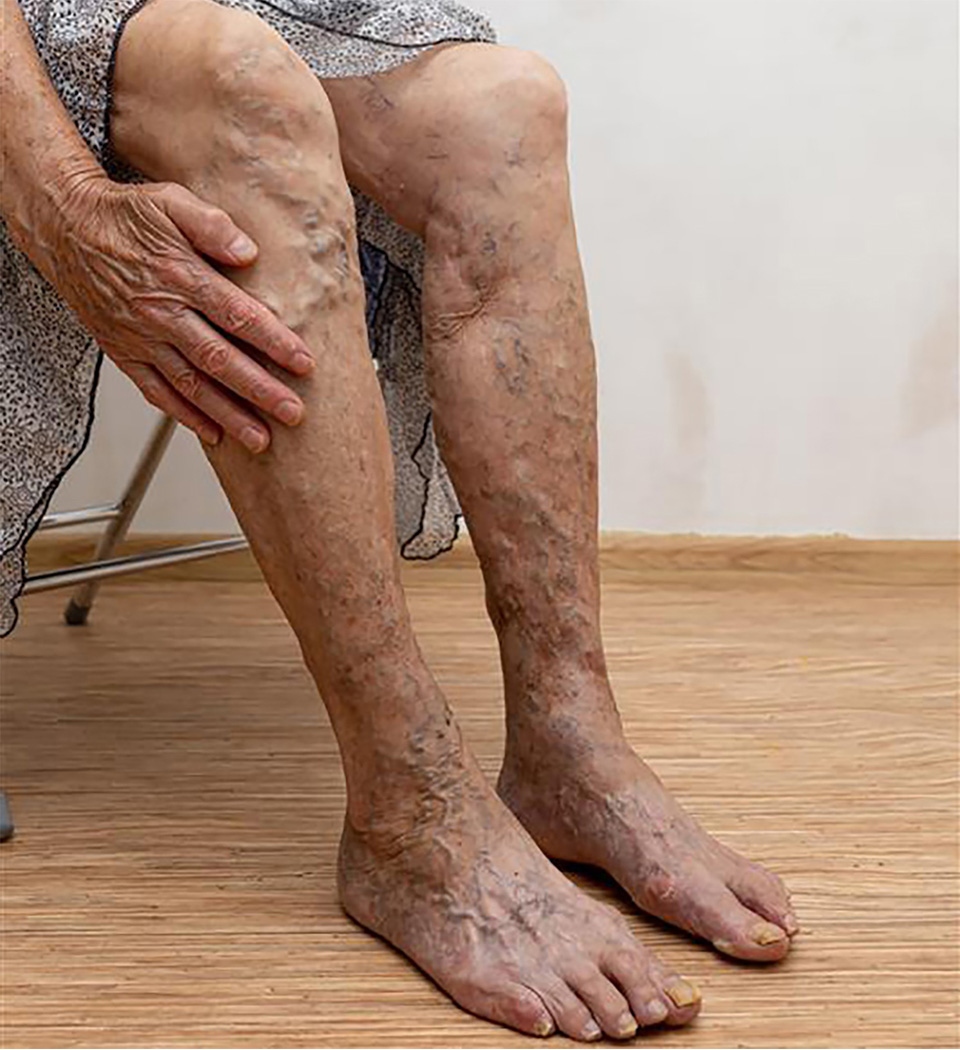
Unusual paleness, bluish discoloration, persistent redness, or darkening around the ankles can be associated with vascular conditions. Other changes may include thinner or shinier skin or changes in hair growth on the legs.
These changes don’t necessarily mean vascular disease is present, but unexplained or persistent changes are worth discussing with a healthcare provider.
6. A Wound That Isn’t Healing
A small cut or sore that takes unusually long to heal may be more than a minor inconvenience.
Healthy blood flow delivers oxygen and nutrients needed for tissue repair. When circulation is impaired, wounds- particularly those affecting the feet and lower legs- may heal slowly.
This can be particularly concerning for people with diabetes or PAD.
Talk to a healthcare provider if:- A wound isn’t healing as expected
- A sore repeatedly reopens
- Skin around a wound changes color
- A wound is accompanied by increasing pain or numbness
Early evaluation can help identify potential circulation problems and reduce the risk of complications.
7. Enlarged, Twisted, or Painful Veins
Varicose veins are enlarged, twisted veins that commonly appear on the legs. While they may be primarily a cosmetic concern for some people, they can cause aching, heaviness, swelling, itching, or discomfort for others.
Not every varicose vein requires treatment, but persistent or worsening symptoms should be evaluated.
Quick Check: Are You Noticing Any of These Signs?
Take a moment to check in with your vascular health:
- Leg pain when walking that improves with rest
- Persistent swelling in your legs or ankles
- Sudden swelling or pain in one leg
- Unusual coldness or numbness in your feet
- Changes in skin color or appearance
- A wound that isn’t healing normally
- Painful or increasingly prominent veins
Checking a box doesn’t necessarily mean you have a vascular condition. However, persistent, unexplained, or worsening symptoms are worth discussing with a healthcare provider.
Know Your Vascular Risk Factors
Symptoms aren’t the only reason to pay attention to vascular health. Certain factors can increase the risk of vascular disease, including:
- Smoking or a history of smoking
- Diabetes
- High blood pressure
- High cholesterol
- Obesity
- Physical inactivity
- Older age
- Family history of vascular or cardiovascular disease
Managing these risk factors through healthy lifestyle choices, regular screenings, and appropriate medical care can play an important role in protecting vascular health.
Dr. Patel emphasizes that vascular health is part of overall health. Routine primary care visits provide an opportunity to monitor important risk factors and identify potential concerns before they become more serious.
Take the Next Step for Your Vascular Health
This Vascular Awareness Month, listen to what your body may be telling you. Essen Health Care is here to support you at every step of your health journey. Whether you’re experiencing a new symptom or are simply due for a checkup, connecting with a healthcare provider is an important step toward staying proactive about your vascular and overall health.
About Dr. Nirav Patel
Dr. Nirav S. Patel is a highly respected vascular surgeon based in New York City. Dr. Patel has over 23 years of comprehensive experience in the field of vascular surgery and is board-certified in vascular surgery. Dr. Patel specializes in the diagnosis and treatment of complex vascular conditions, including peripheral vascular disease, varicose veins, and peripheral arterial disease. His clinical expertise and commitment to patient care have earned him recognition among peers and patients alike.
